Is Fishin' Frenzy a Scam? Separating the Real Game from the Fakes
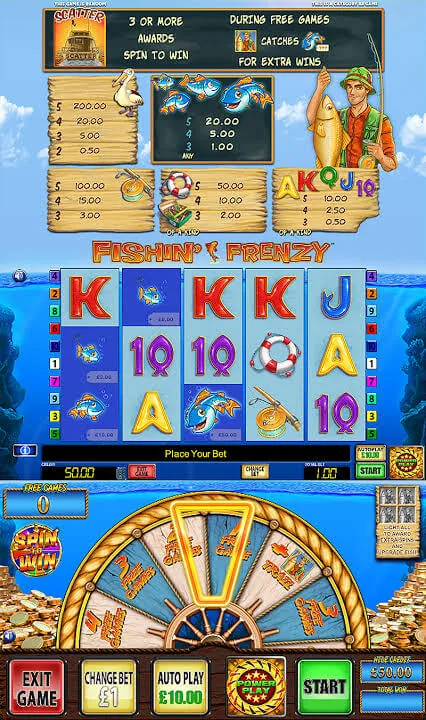
A mate sends you a TikTok: someone's just won £47,000 on Fishin' Frenzy in three spins. The comments are full of app links and promo codes. You download it, deposit £50, and… nothing. The «game» looks identical, but your balance drains in minutes, and when you try to withdraw, the app vanishes. You've just been scammed—not by the real Fishin' Frenzy, but by a clone.
The actual game, made by Blueprint Gaming and licensed through the UKGC, isn't a scam. The maths is transparent, the operators are regulated, and you can verify every claim in under a minute. But the ecosystem *around* the game is thick with fakes: counterfeit apps, deepfake influencers, rigged demo sites, and affiliate links to unlicensed casinos. This guide shows you how to tell them apart, what the real game looks like under the hood, and why the hype doesn't match your bankroll.
The Real Game: What Blueprint Gaming Actually Built
Fishin' Frenzy is a five-reel, ten-payline slot developed by Blueprint Gaming, a studio owned by the Gauselmann Group in Germany. It's been live since the early 2010s and runs on the Blueprint RGS platform, distributed through aggregators like SG Digital and Relax Gaming. The RTP is certified at 96.12%, volatility sits at medium, and the max win is capped at 5,000x your stake.
The game is available at UKGC-licensed operators—casinos that hold a remote gambling licence, display the licence number in the footer, and appear in the UKGC public register. You can't legally play it anywhere else in the United Kingdom. Blueprint doesn't release standalone apps; the game runs in your browser or within an operator's licensed app on the App Store or Google Play.
The maths is simple: you'll hit the free-spins feature roughly once every 200 spins, and when you do, the fisherman collects fish symbols for cash prizes. The RTP means that over millions of spins across all players, the game returns £96.12 for every £100 wagered. Your individual session can swing wildly—that's the volatility—but the house edge is baked in at 3.88%.
The Scams: What's Fake and How They Hook You
The scams cluster around four vectors: fake apps, deepfake promotions, clone websites, and rigged «demo» versions. Each one preys on the game's popularity and the fact that most players don't check the UKGC register.
- **Counterfeit APKs and Apps**: These appear in Google searches for «Fishin' Frenzy APK» or «download app». They're not on the App Store or Google Play—they're side-loaded Android files or dodgy download sites. The app looks identical to the real game, but the RNG is rigged, withdrawals never process, and your payment details end up on a scam server.
- **Deepfake Influencers and Manufactured Wins**: TikTok and Instagram are full of videos showing massive wins—£10,000 from a £2 spin, triple bonuses back-to-back. Half of them are deepfakes (AI-generated faces reading a script) or edited screen recordings. The affiliate links in the bio lead to unlicensed casinos, often offshore operations with no UKGC licence.
- **Clone Websites**: These mirror the layout of legit operators but swap the UKGC licence footer for a fake «Curaçao» badge or nothing at all. They'll let you deposit via crypto or dodgy payment processors, but they're not connected to Blueprint's RGS. You're playing a knockoff that looks like Fishin' Frenzy but runs on stolen graphics and rigged code.
- **Rigged Demo Sites**: Some affiliate sites offer «free Fishin' Frenzy demo», but the version you're playing isn't Blueprint's official demo—it's a Flash or HTML5 clone built to hit frequent wins and lure you into depositing at the site they link to. The real demo, when available, sits on a UKGC-licensed operator's platform and requires age verification.
The common thread: they all skip the UKGC register check. If the site or app doesn't appear in the Commission's public database with a matching licence number, you're not playing the real game.
Spotting the Real Thing in Under a Minute
Every UKGC-licensed operator is required to display its licence number in the footer, usually as «Gambling Commission licence: 000-000000-X-000000-XXX». Open the UKGC register (search «UKGC public register» or visit gambling commission website), paste the number, and check the status. Active licence? You're clear. No match, suspended, or surrendered? Walk away.
- **Check the footer**: Scroll to the bottom. Look for «UK Gambling Commission» and a licence number in the format 000-000000-X-000000-XXX. Screenshot it.
- **Search the register**: Go to the UKGC public register, enter the licence number or operator name, and verify the status is «Active». Check the address matches the site.
- **Look for GAMSTOP**: Every UKGC operator must integrate with GAMSTOP, the self-exclusion scheme. If the site doesn't mention it—or worse, advertises «no GAMSTOP»—it's unlicensed.
- **Check payment methods**: Credit cards have been banned for gambling since April 2020. If the site accepts them, it's not UKGC-compliant. Debit cards, PayPal, Apple Pay, Open Banking, and paysafecard are the norm.
- **Verify the stake cap**: UKGC rules cap slot stakes at £5.00 per spin (£2.00 for players aged 18–24). If the game lets you bet £10 or £20, you're on an unlicensed site.
If any one of these checks fails, close the tab. The handful of legit operators—Grosvenor, Buzz Bingo, 888, Betfred, William Hill—are all in the register. There's no excuse for playing elsewhere.
What the UKGC Changes (and What It Doesn't)
The UK Gambling Commission doesn't regulate the maths inside the game—that's Blueprint's RTP and volatility. What it does regulate is the operator's conduct: age checks before deposit, affordability checks from £150 net deposits a month, mandatory deposit limits, and integration with GAMSTOP. Remote Gaming Duty was raised to 40% in April 2026, which squeezed operator margins but didn't change the player-facing RTP.
The stake caps—£5.00 per spin, £2.00 for 18–24-year-olds—are the most visible change. They were introduced to limit harm on high-intensity slots. Fishin' Frenzy, as a medium-volatility game, is exactly the type of product the caps target. You can still lose £5.00 in two seconds, but you can't bet £50 and drain your balance in three spins.
Affordability checks kick in when you deposit £150 or more in a month (net of withdrawals). The first stage uses credit-reference data—no documents yet—but if you keep depositing, you'll eventually hit Source of Funds checks, which require payslips, bank statements, or tax returns. It's invasive, but it's the law.
The Hype Trap: What Actually Happens to Your Bankroll
The scam isn't the maths—it's the gap between what the hype promises (regular bonuses, frequent big wins) and what medium volatility actually delivers. Fishin' Frenzy's free-spins feature lands roughly once every 200 spins. At £1.00 per spin, that's £200 to trigger it once. The bonus might return £5, £50, or occasionally £500, but the median payout hovers around 20–30x your stake. You need multiple bonuses to break even, and most sessions end in the red.
The 96.12% RTP is a long-term average across millions of spins. In a single session of 500 spins, you could see 92% or 101%—the variance is wide. Medium volatility means you'll get small-to-medium wins regularly, but the big hits (1,000x+) are rare. If you're chasing a specific win target, you're fighting the house edge and volatility simultaneously.
Let's say you start with £100 at £0.50 per spin. You'll get roughly 200 spins before the first bonus. If the bonus returns £15, you're down to £90. The second bonus might not land for another 200 spins, costing another £100. You're now £90 in the hole, and you've had two bonuses. To recover, you'd need a 200x+ hit, which the paytable supports but the probability doesn't favour. Most players walk away at a loss or stop when the balance is gone.
Responsible Play: Age, Limits, and When to Stop
You must be 18 to play. UKGC operators run age and identity checks before your first deposit—passport, driving licence, or utility bill. Some use electronic verification; others require uploaded documents. It's not optional, and it's not negotiable.
GAMSTOP is the national self-exclusion scheme. One registration blocks every UKGC-licensed site for six months, one year, or five years. If you're chasing losses or playing beyond your budget, register at gamstop.co.uk. It's immediate, and there's no override. BeGambleAware offers free support at begambleaware.org or via the National Gambling Helpline (0808 8020 133).
Every operator must offer deposit limits—daily, weekly, or monthly caps that you set in your account. Once active, they can't be increased instantly; there's a cooling-off period (usually 24–72 hours). Use them. Set a monthly limit that matches what you'd spend on any other entertainment, not what you hope to win back.
Gambling winnings are tax-free for the player in the United Kingdom—you keep what you win—but operators pay 40% Remote Gaming Duty on gross revenue. That tax doesn't affect your RTP, but it's why some offshore sites advertise higher RTPs: they're not paying UK duty because they're not licensed here.
Final Verdict: The Game Is Real, the Ecosystem Is Full of Traps
Fishin' Frenzy itself isn't a scam. Blueprint Gaming is a legitimate studio, the RTP is certified, and the game is available at dozens of UKGC-licensed operators. The maths is transparent, the features are clearly explained, and the regulator enforces compliance. If you play at a licensed site, you're getting the real game.
What *is* a scam is the cloud of fakes around it: the APKs that steal your payment details, the deepfake influencers pushing unlicensed casinos, the clone sites with rigged RTPs, and the affiliate marketers who edit «big win» videos to drive traffic. These thrive because most players don't check the UKGC register, don't know what a licence number looks like, and assume a convincing-looking website must be legit.
The trap isn't the game—it's the hype. The promise of frequent bonuses, easy wins, and low-risk spins doesn't match the 96.12% RTP and medium volatility. You'll trigger the feature less often than the TikTok videos suggest, the bonuses will pay out less than you expect, and most sessions will end at a loss. That's not a scam—it's just how the maths works.
If you want to play, check the UKGC register first. Look for the licence number in the footer, verify it's active, and confirm the site mentions GAMSTOP. If those three checks pass, you're playing the real game. If they don't, you're about to get scammed—or you already have.
FAQ
Is there an official Fishin' Frenzy app I can download?
No. Blueprint Gaming doesn't release standalone apps. The game runs in your browser or within a UKGC-licensed operator's app on the App Store or Google Play. Any APK or download site claiming to offer the «official app» is a scam. Check the operator's licence in the UKGC register before you deposit.
How do I know if the site I'm on is licensed?
Scroll to the footer and look for a UK Gambling Commission licence number (format: 000-000000-X-000000-XXX). Copy it, open the UKGC public register, and search for the number. If the status is «Active» and the address matches, you're clear. If there's no licence number or it doesn't appear in the register, close the tab.
Why do some videos show huge wins but I never get them?
Many of those videos are edited, deepfaked, or recorded on rigged demo versions. The real game has a 96.12% RTP and medium volatility—big wins happen, but they're rare. The free-spins feature lands roughly once every 200 spins, and most bonuses return 20–30x your stake. A 1,000x hit is possible but improbable in a typical session.
Can I play Fishin' Frenzy legally in the UK without a UKGC licence?
No. It's illegal for an operator to target UK players without a UKGC remote licence. If the site doesn't appear in the Commission's register, it's unlicensed, and any deposits you make have no legal protection. Stick to licensed operators—there are dozens, including Grosvenor, 888, Betfred, and William Hill.